


Used & Auction Units
Late-model booms with clean hour meters underwrite close to new-unit terms. Dealer, auction, or private party — the seller does not change the desk's answer.

Higher reach, tighter schedules, and rental math that has to pencil. Every boom lift we finance is underwritten around platform height, hours, and the work it is booked for — new or used, dealer or auction. Whatever the deck height, the file gets priced by people who read lift specs all day, so you can put the machine in the air with numbers that hold.
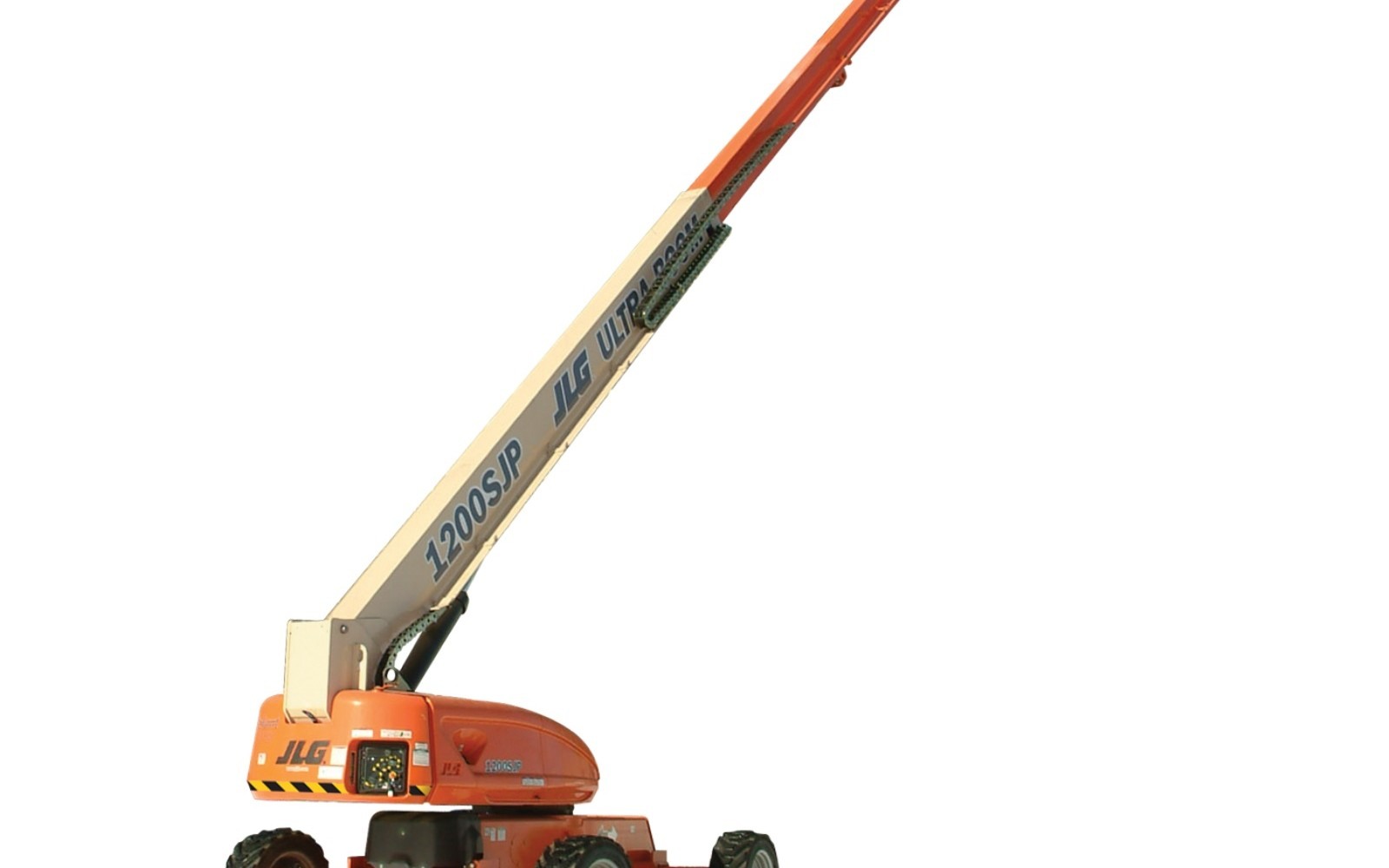
Late-model booms with clean hour meters underwrite close to new-unit terms. Dealer, auction, or private party — the seller does not change the desk's answer.
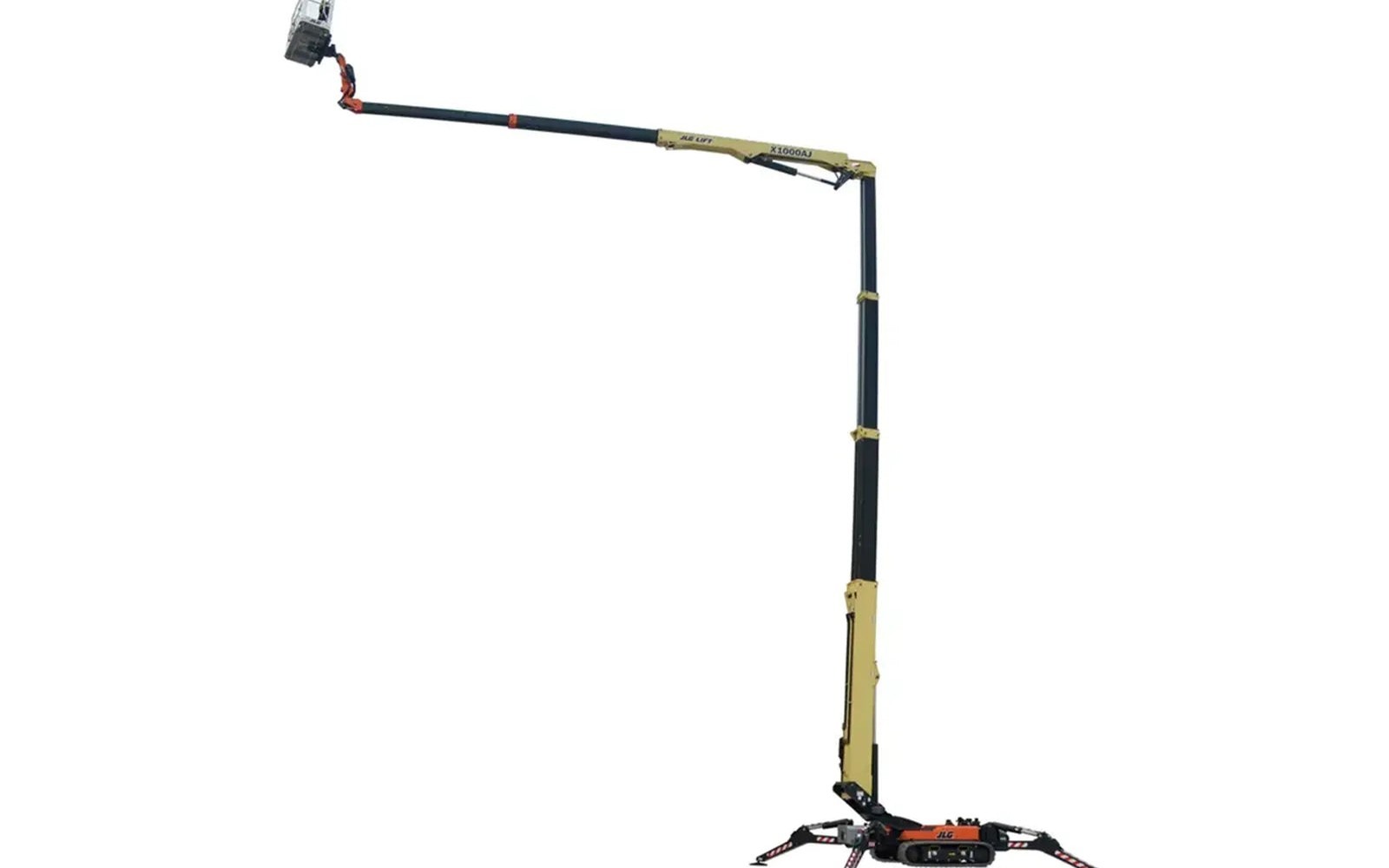
Up to $500,000 on the application alone — no tax returns, no financial statements. Most boom lift files close this way, usually inside a business day.
The desk reviews platform height, horizontal outreach, jib configuration, drive type, tire package, power source, hour meter, age, condition, seller paperwork, transport window, delivery plan, and planned utilization. Those details decide whether the request behaves like a compact indoor access unit, a high-reach jobsite machine, or a specialty lift with limited resale channels. We also look at transport requirements and whether the boom will be owned for production work, rented to customers, or held as backup capacity.
Rental fleets care about utilization and replacement timing. Contractors care about site availability. Industrial maintenance teams care about access windows. Sign, utility, and tree crews care about reach and transport. We keep those operating facts in the file so payment, term, down payment, and collateral expectations line up with how the boom will actually work.